Old tile out, new tile in, without wrecking the rest of your house
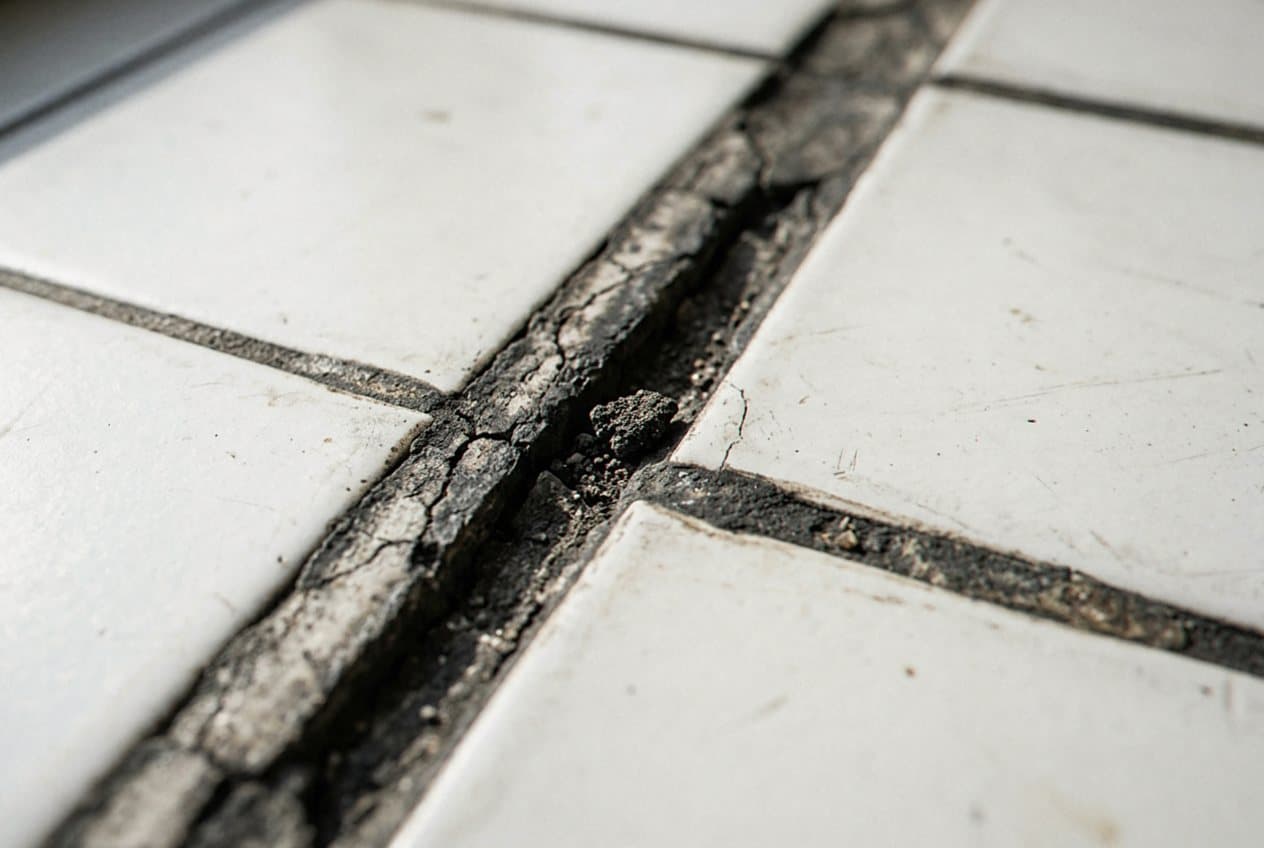
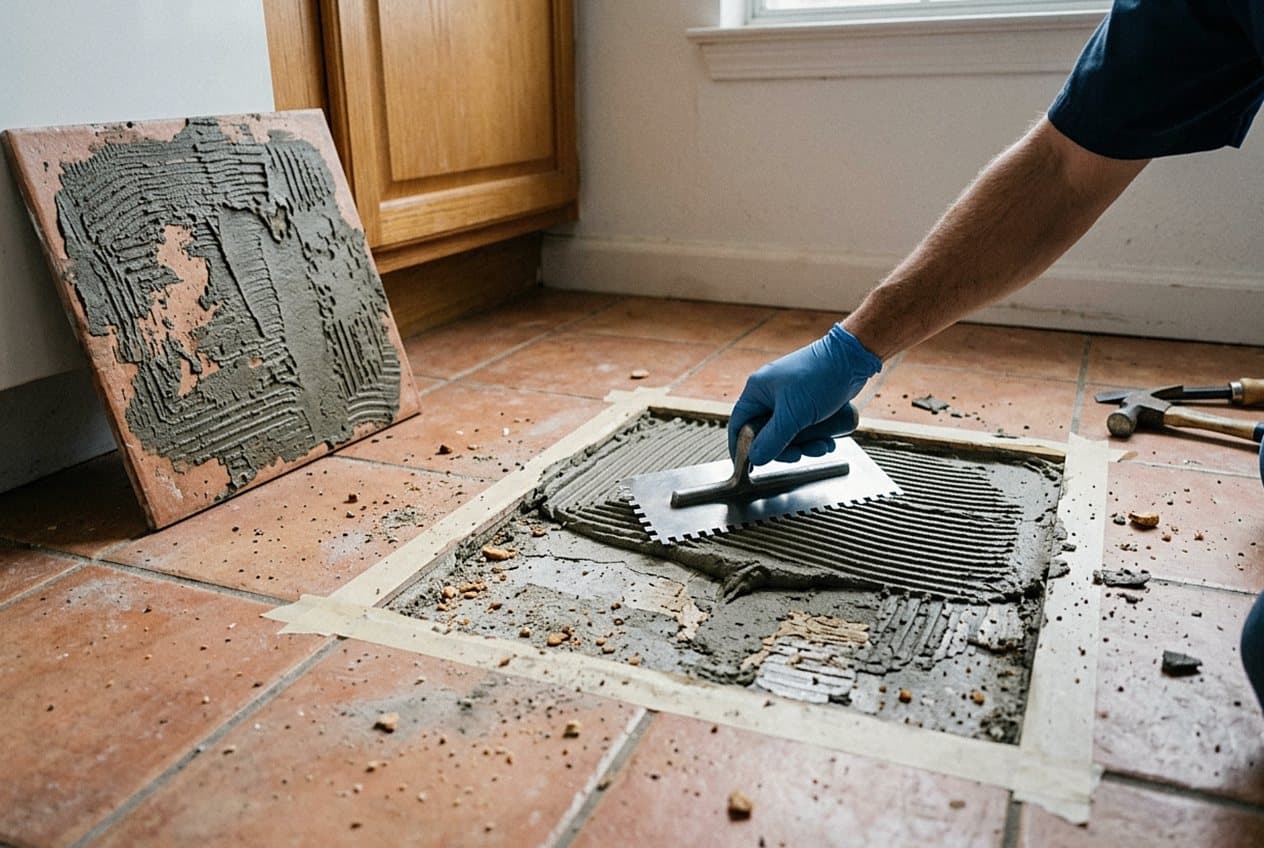
Most people picture a tile job as the setting. In a removal, the setting is the easy half. The real work is getting the old tile off without taking the house with it, and that part is where the surprises live. We handle tile removal and replacement in Naperville homes, in bathrooms, kitchens, entries, laundry rooms, mudrooms, and around fireplaces. Every one of those jobs starts the same way. We find out what the old tile is stuck to, because that single answer shapes the schedule, the noise, the debris, and the price of the whole job. Tile on a thin bed of mortar over backer board comes up in sheets on a good day. Tile set into a thick mud bed, the way a lot of shower walls were built here through the sixties and seventies, is another job entirely. That is real demolition. One mud bed shower can send hundreds of pounds of rubble out to the truck. Then there is tile stuck straight to drywall with paste, which was common in the postwar ranch homes around town. That tile does not let go. It takes the paper face of the drywall with it, and the wall behind it comes out along with the tile. We look before we quote, and we tell you which of those three you have. Naperville houses run the whole range. Newer subdivisions out by White Eagle and Tall Grass often have backer board and thin set mortar under the tile, which is the kind day, and the demo on those tends to move fast. The older streets near downtown and around Naper Settlement hide mud beds, layers of old vinyl, and floors that were covered over twice already. On more than one kitchen we have pulled a floor and found three floors under it. None of that is a problem when we know about it going in. It only turns into a problem when a crew swings a hammer first and asks questions later. So we start with a look, a tap across the surface, and a small test area when the answer is not obvious. Then we tell you what the demo actually involves, what leaves the house, and what has to be rebuilt before any new tile goes down. A backsplash removal is its own small puzzle. The tile sits between a counter and the wall cabinets, and both of those are staying, so the demo has to be surgical rather than fast. We cut the joint at the counter, pad the surface, and take the tile down in pieces instead of sheets.
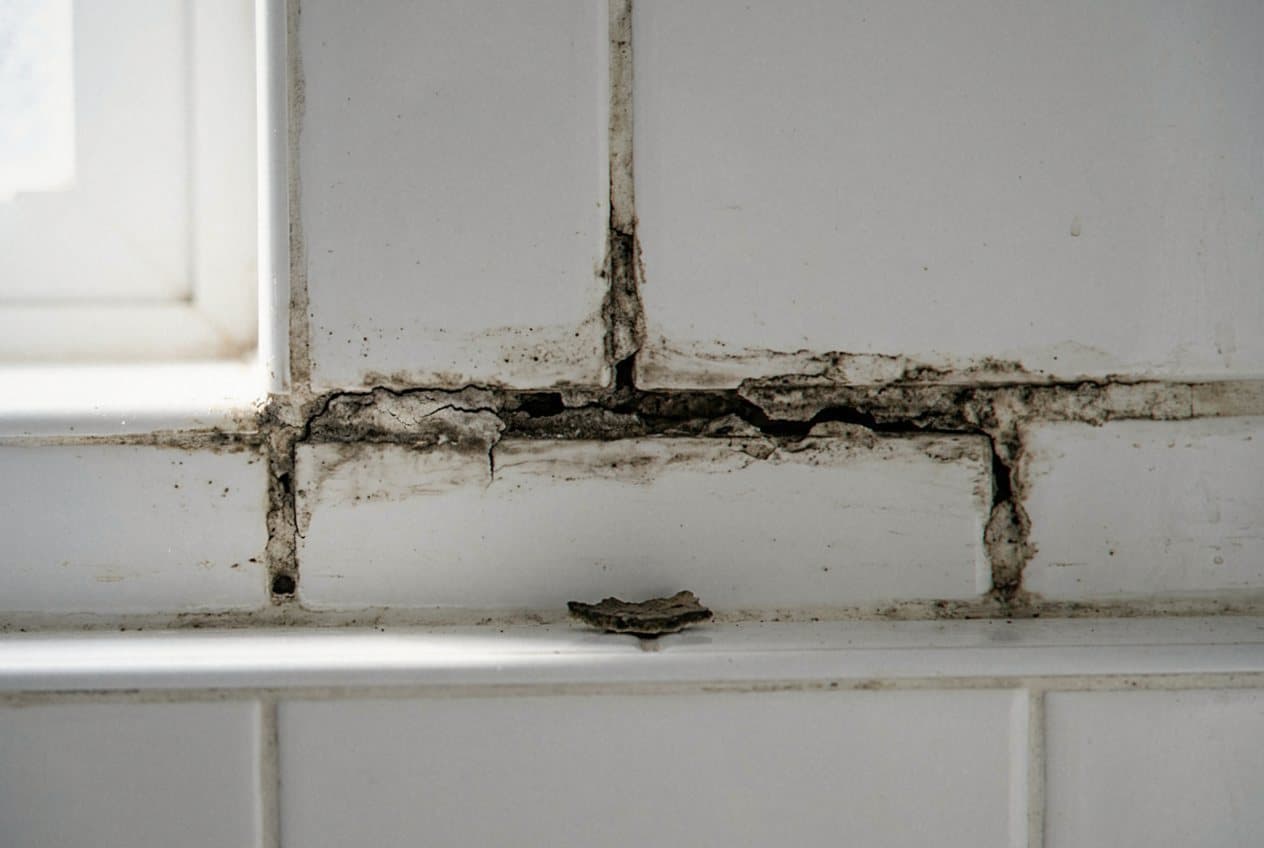
The other half of a removal is keeping the mess where it belongs. Breaking and cutting tile makes a fine gray dust that moves through a house on its own. It finds closets, it rides the furnace return into every other room, and it settles on top of the kitchen cabinets where nobody looks for months. So we seal the room with plastic walls and zippers, cover the whole path in and out, tape off the return, and run a vacuum right at the tool instead of chasing dust around later. It is not glamorous work. It is the part owners thank us for most. There is one thing we never rush through. If the house dates from before the late eighties and we find nine inch floor tile, or a black tar like paste under an old floor, we stop where we stand. Flooring products from that era can contain asbestos, and EPA guidance is plain about it. Suspect material gets tested before anyone disturbs it, not after the dust is already in the air. We do not guess, and we do not scrape and hope for the best. We pause, we show you what we are looking at, and testing goes through a qualified lab first. If it comes back clean, the demo picks up again and we keep moving. If it does not, you get a straight explanation of the proper path before a tool touches that floor. Demo also has a way of exposing things. Under a failed shower floor we often find a pan that has been leaking quietly for years, soft framing at the curb, and a subfloor that gives underfoot. Around a toilet the same story shows up as a dark ring in the plywood, sometimes with a rusted flange sitting in the middle of it. Old tile at a fireplace can pull the hearth board off the wall with it. None of that is bad luck, and none of it is a shock to us. It is usually the reason the tile failed in the first place, and burying it under fresh tile only buys you a repeat of the same job in a few years. We stop, we take photos, and we settle the repair with you before new material goes anywhere near that spot.
- We work out what the old tile is stuck to before demo day. You hear whether this is a clean lift or a full tear out while you can still plan around it. That one answer drives the noise, the debris, the days your room sits out of use, and the number on the quote.
- Dust control goes up before the first tile comes off. Plastic walls with zippers, covered floors on the path out, a taped off furnace return, and a vacuum running right at the tool. Tile dust travels much further than anyone expects. The whole point is that it never leaves the room it started in.
- Older homes get a slower first step. Say we see nine inch floor tile, or a black paste under an old floor, in a house of that age. We stop and have it tested before anything gets disturbed. That is the path EPA guidance lays out for suspect flooring.
- Whatever the demo turns up gets fixed, not covered. A pan that has been leaking for years, rot at a shower curb, a soft subfloor near the toilet, a slab with a live crack in it. You see photos of what was behind your tile, and we deal with the cause before new tile goes on.
- The new work gets built for the room it lives in. Fresh waterproofing in a wet area. A floor made flat and stiff before we set a single tile. Doors and thresholds worked out early, so the finished height suits your doors, your vanity, and the flooring in the next room.
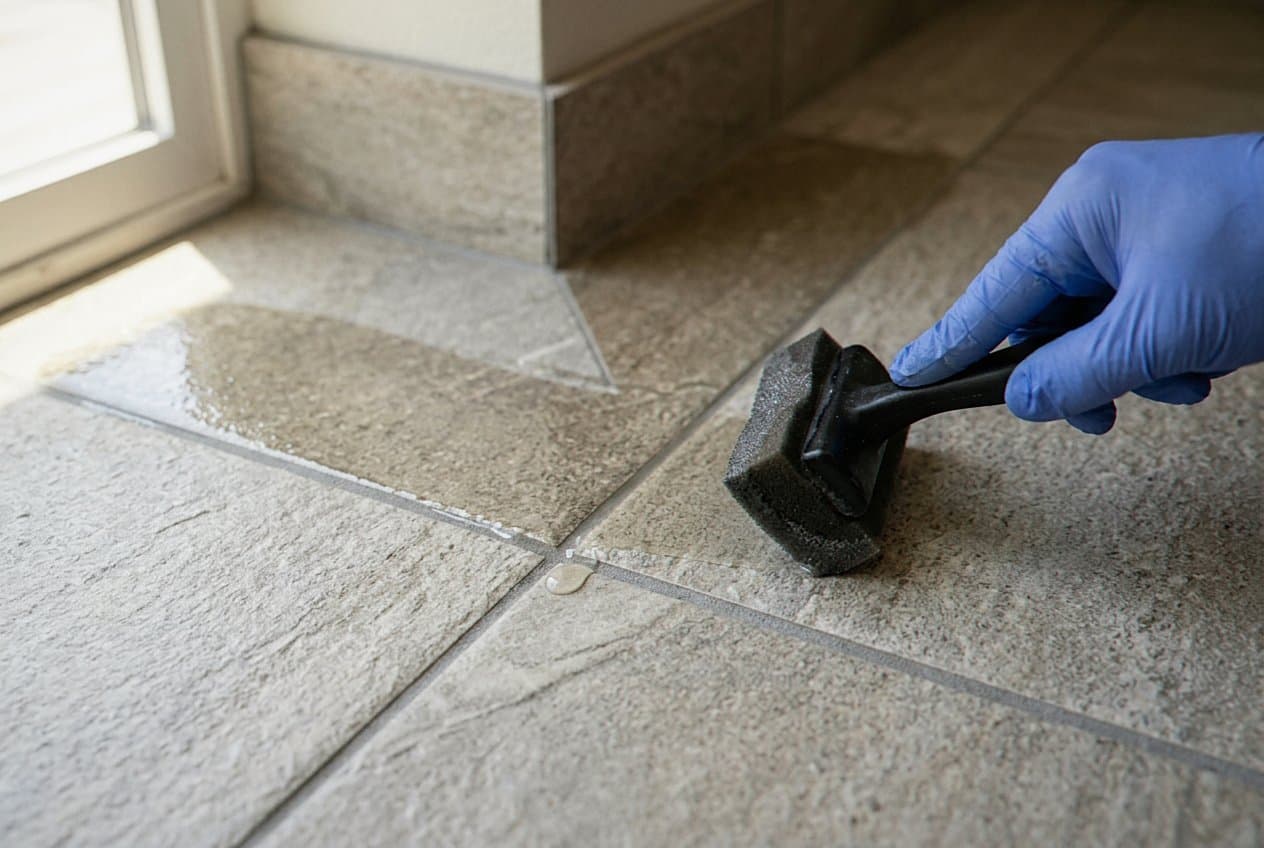
Once the old surface is gone and what is left underneath is sound, the replacement is where the room gets its life back. We rebuild the base to suit whatever is going on top of it. A shower gets a modern waterproofing layer in place of the felt and wire mesh that just came out of it. A floor gets flattened, and any soft spot in the subfloor gets stiffened before one tile is set. If the new tile runs thinner or thicker than the old, we work that out at the doors, at the thresholds, and where the floor meets carpet or wood. Height is the detail that bites people on a replacement job. It costs nothing to plan and it is miserable to fix once the grout is in. Owners often ask whether we can match the old tile and patch just the damaged area. Sometimes we can. If you have leftover boxes in the basement, or the line is still in production, a patch is honest work and we are glad to do it. More often the tile is fifteen or twenty years old and the line went away a decade ago. Even a close match reads wrong, because fresh grout sits bright against grout that has aged in a bathroom for years. When that happens we look for a natural break in the room, so the change of material lands at a doorway or a shower curb instead of the middle of a wall. The season matters here too. Winter in Naperville means the demo path runs through a cold, wet entry, so we cover more and we watch what gets tracked in on boots. Tile also comes off the truck cold in January, and cold tile and cold mortar do not behave the way they do in July. We let material sit in the room and come up to temperature before any of it goes down. Summer hands us the opposite problem, because humid DuPage County air slows a cure and a floor that looks ready can still be soft under the surface. Either way we build the schedule around it. You get told which days the room is out of service, and we will not grout something that is not ready just to close out a day early. We also plan the order of the work. If a vanity, a toilet, or a glass shower door has to come out so the tile can go in, you hear which day it leaves and which day it goes back. A tile crew that pulls a toilet on a Friday and vanishes until Wednesday is doing the homeowner no favors, and a bathroom that is the only one in the house needs a tighter plan than that.
Tell us which room you want stripped, what is on the wall or floor now, and roughly how old the house is. We will walk you through the demo, the dust plan, what we expect to find underneath, and how the new tile goes back down. You get a clear scope before anyone shows up at your Naperville door with a hammer.