Tile Flooring Installation · Naperville

Tile Flooring Installation in Naperville, IL

We lay tile floors across Naperville homes, flat and level, and set to take years of boots, grit, and traffic.

Free Quote

Free Tile Flooring Installation quote.

We reply within 1 business hour. No spam, ever.

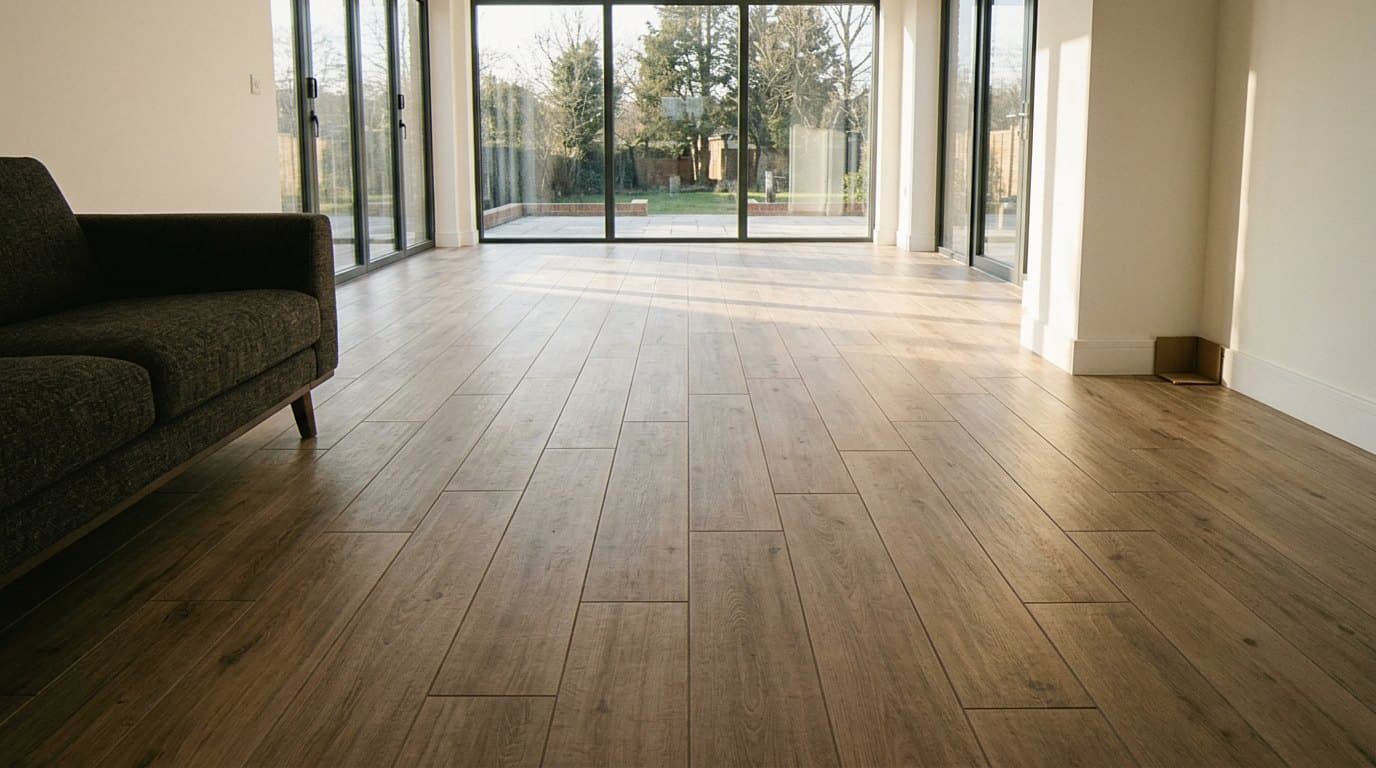
Sunlit living room with wide wood-look tile planks
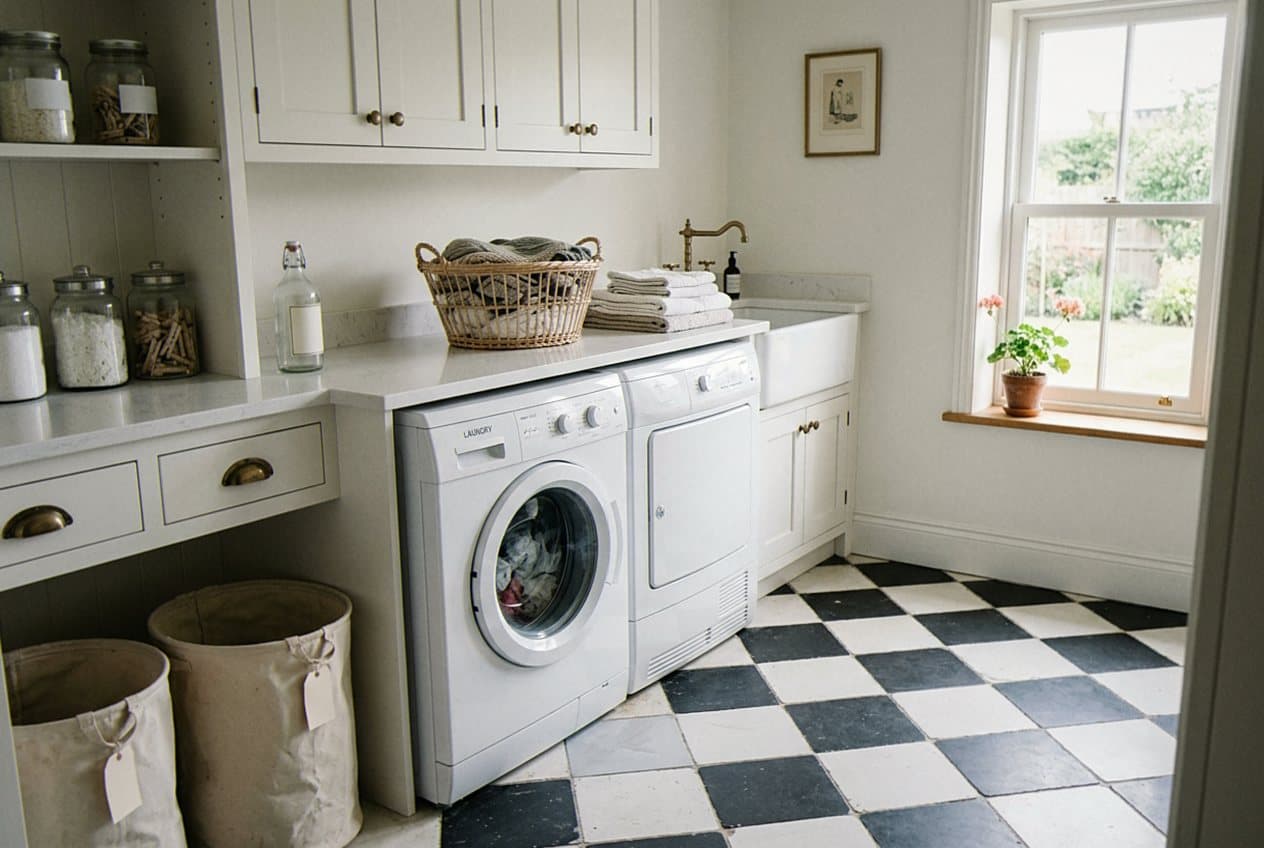
Black and white checkerboard tile in a laundry room
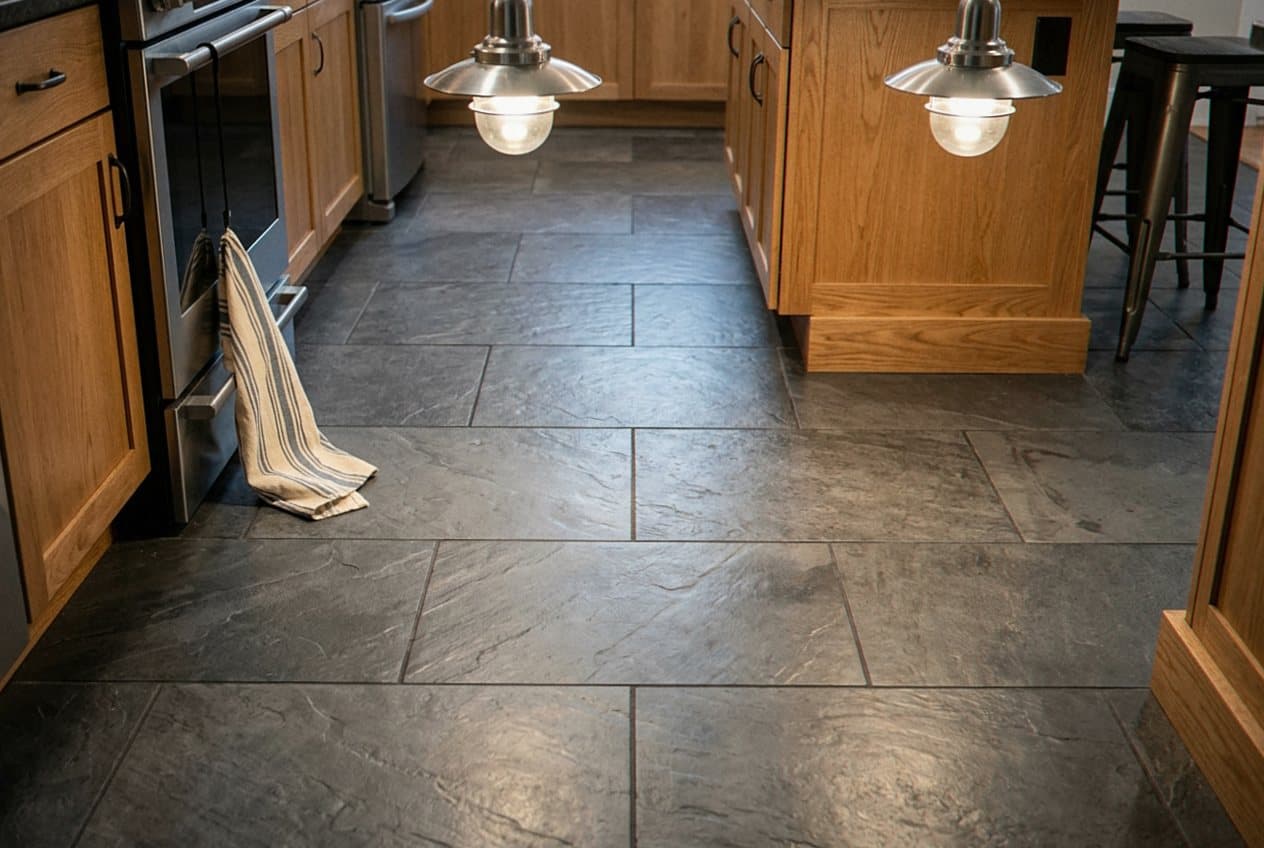
Dark slate-look porcelain floor tile in a kitchen
What we do

Tile floors that stay flat in Naperville homes

A tile floor either lasts thirty years or it starts talking to you in the second winter. The difference is almost never the tile. It is what sits under it. We install tile floors in Naperville homes, in entries, kitchens, mudrooms, laundry rooms, sunrooms, hallways, and basements. Before we set anything, we check the floor for flex, we check it for flat, and we find out whether we are working over plywood, over a slab, or over some layered mix of both. Houses out toward White Eagle and Ashbury sit on newer framing with long joist spans. Older streets near the downtown historic district often have a subfloor that has been patched three times. Each one needs a different answer, and we would rather find that out on day one than after the grout starts opening.

Layout is the part owners rarely think about, and it is the part they notice forever. We snap lines off the longest sightline in the room, not off the wall that happens to be closest, because almost no wall in a house is truly straight. Then we dry lay the field so the cuts land where they belong. A full tile greets you at the door and the skinny piece hides under the toe kick, not the other way around. With plank tile that looks like wood, we keep the offset modest, since a running bond at half the plank fights the natural bow in the tile and leaves you with high edges you can feel through a sock. We also plan the transitions early. Where tile meets wood flooring, carpet, or a floor vent, that joint gets figured out before the first bag of mortar is mixed.

  • Flat and stiff comes before pretty. We tune the subfloor until it stops moving, then tile goes down.
  • Layout gets planned on paper and dry laid on the floor, so cuts land in the corners nobody looks at.
  • Mortar coverage gets checked as we go, and any hollow tile gets pulled and reset instead of buried.
  • Doors, thresholds, and vents get sorted before setting, so nothing binds once the floor comes up in height.
  • We cover the path in and out, run dust containment at the saw, and clean the floor down before we call it finished.
A tile floor is only as flat and as still as the surface under it. That is where the work really happens.

We work in Naperville every week, and the local housing stock shapes how we do a floor. Winters here drag salt, sand, and meltwater in on boots, so an entry floor takes a beating from November through March. That pushes us toward dense porcelain with a real slip rating at the door, and toward a grout that does not stain the first time somebody tracks in brine from a DuPage County road. Basements are their own animal. A slab down there gives up moisture for years, so we test before we set and we pick materials that can live with it. If a floor has radiant heat under it, we run the system through a full cycle first and we keep it off while the mortar cures. Rushing that step is how a brand new floor tents in the middle.

Tell us what room you want tiled and what is on the floor now. We will talk through the subfloor, the layout, the transitions, and the schedule. You get a straight answer on scope before anyone shows up at your Naperville door with tools.
Materials

Floor tile and setting materials we use in Naperville

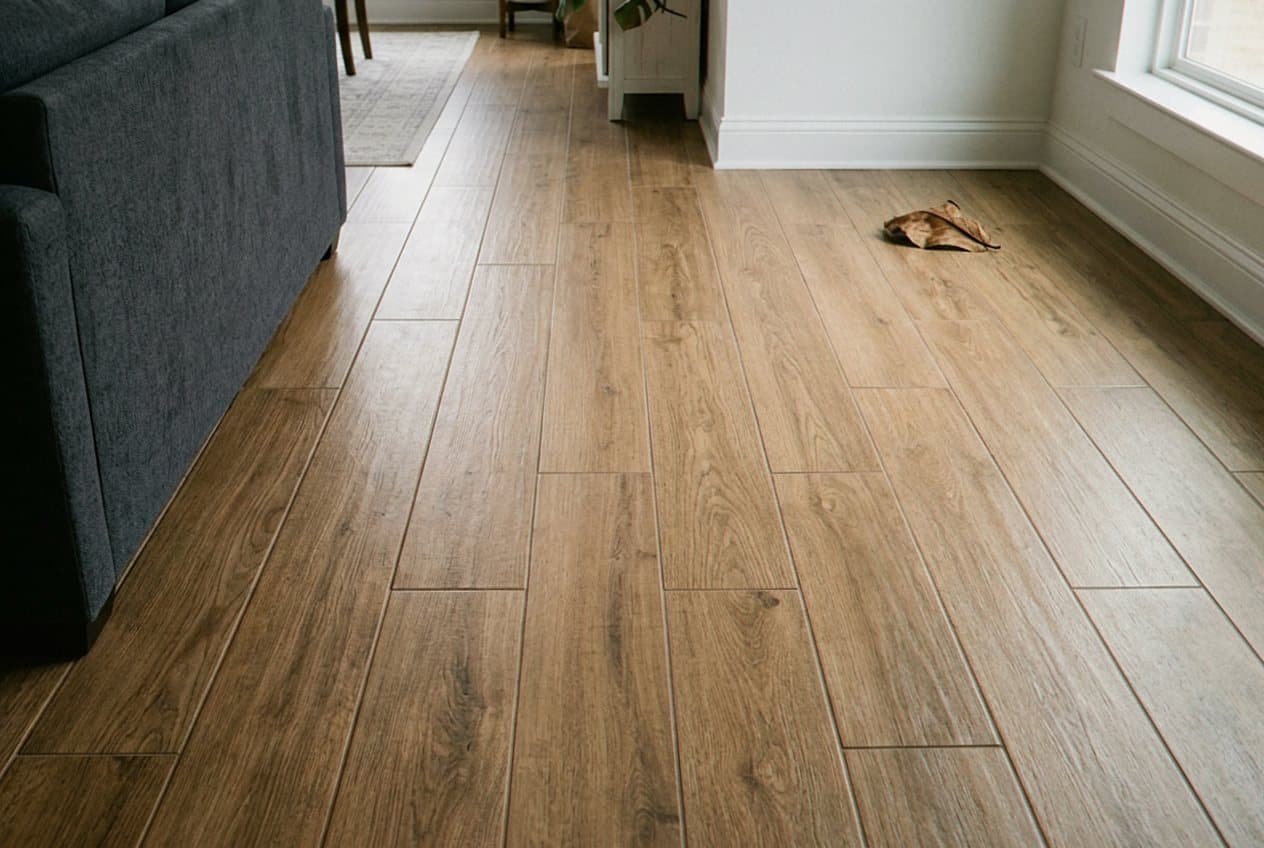
Porcelain does most of the work on Naperville floors. It is dense, it takes on almost no water, and the harder glazes shrug off grit without going dull in the traffic lanes. Plank tile that reads like oak or walnut has taken over entries, kitchens, and mudrooms here, and for good reason. It gives you the look of wood in the exact rooms where wood suffers. Ceramic is softer and lighter, which makes it a fine choice in a quiet bedroom or a closet, but we steer people away from it at the front door. Stone belongs in the conversation too. Slate, travertine, and marble each bring something no factory tile can copy, and each one asks for sealing and a little patience from the owner. If you want a floor you never have to think about, porcelain is the honest answer.

Under the tile, the list is short and it matters more than the tile does. On a wood subfloor we look for stiffness first, and we add a layer of backer or an uncoupling membrane so the wood can move a hair without dragging the tile with it. Over a concrete slab we map the cracks, and any crack that has gone quiet gets a crack isolation layer over it before tile goes down. Around the edge of every room we leave a soft joint, hidden under the base trim, so the floor has room to grow when the house swings from a humid July to a dry January. Mortar gets picked for the tile, not for habit. A big plank needs a mortar that holds its notch and supports the whole back of the piece, which is why we back butter large tile instead of hoping the ridges collapse on their own. Grout follows the joint width. For a floor that sees road salt and boot traffic, we lean toward the products that resist staining and stay put in a wide joint.

  • Dense porcelain at the entry handles road salt, grit, and meltwater better than any softer tile.
  • An uncoupling or crack isolation layer keeps slab and subfloor movement out of your grout.
  • Soft joints at the edge of the room hide under base trim and give the floor room to move.
  • Large tile gets back buttered for full support, since a hollow spot cracks under a chair leg.
Wood-look tile flooring in a cozy living room
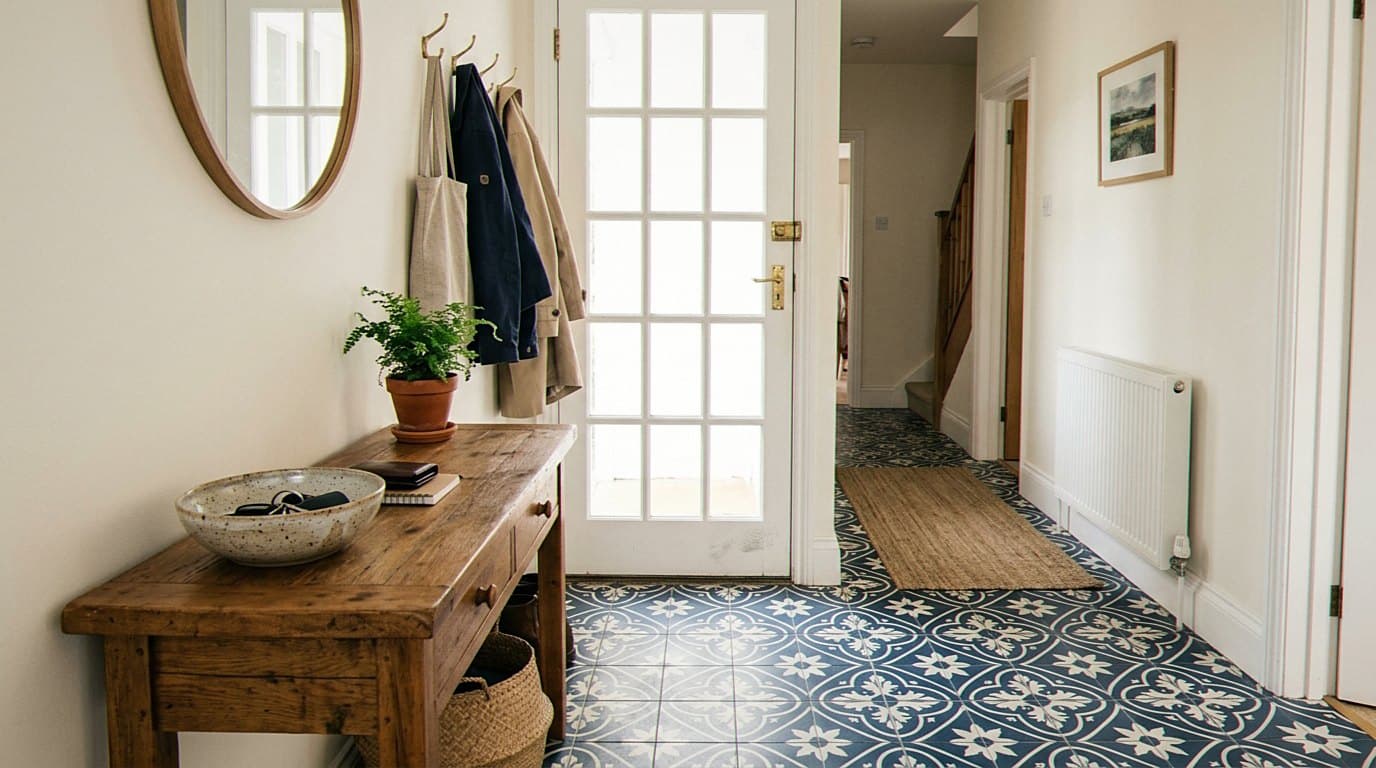
Patterned blue tile floor in a bright entryway
What about the alternatives?

Floor tile options, and where each one earns its keep

Owners ask us which floor tile to pick, and the right answer changes room by room. An entry that eats winter salt has nothing in common with a guest bedroom. Here is how we rate the usual choices for a Naperville home, based on what we see holding up and what we end up tearing out.

Through body porcelain in standard sizes

Dense, close to waterproof, and tough enough for an entry or a kitchen. Chips barely show, because the color runs all the way through the tile. This is our default across most of the house.

Recommended

Porcelain plank that looks like wood

Excellent in mudrooms, kitchens, and entries where real wood would swell. It wants a flat floor and a modest offset, since long planks bow a little and a half offset leaves edges you can feel.

Acceptable

Large format tile, two feet and up

Fewer grout lines and a calm, open look that owners love in a kitchen. The floor has to be genuinely flat first, and flattening it is real work, so plan for the prep day.

Acceptable

Sealed natural stone

Slate, travertine, and marble bring depth that no printed tile matches. They stain, they want sealing on a schedule, and a busy entry is a hard place to ask that of a stone.

Acceptable

Soft glazed ceramic at a busy entry

Fine in a closet or a quiet bedroom. At the front door the glaze wears into a dull path within a couple of winters, and the body chips where boots land hardest.

Skip

Tile set over a springy or hollow subfloor

We get called to fix this one constantly. If the floor gives under your weight, the joints open and the tile lets go, no matter how good the tile was.

Skip
How it goes

From quote to walk-on, fast.

01

Your inquiry

Call or send the short form with what is going on at your place. A sentence or two is plenty for the first step.

02

We talk it through

We go over the situation on the phone, ask the questions that matter, and tell you what we would do next.

03

A clear plan

You get a plain-language rundown of the work, the order it happens in, and what to expect on the day.

04

The work gets done

Our crew shows up when we said, does the job, and walks you through the result before leaving.

Before you book

Straight answers about your floor

People pause on a floor job for the same handful of reasons, and most of them are fair. Here is where we stand on each one, plainly, before you spend a minute on the phone with us.

How long will the room be out of use?
For a typical Naperville kitchen or entry, plan on a few days of work plus cure time. Prep and demo take the first stretch, setting is often a single day for a normal room, and then the mortar needs to sit before we grout and before furniture comes back. We walk you through it day by day when we scope the job, so you can plan meals, pets, and the way people move through the house.
Can you tile over the floor that is already down?
Sometimes. If the old tile still holds tight, sits flat, and the extra height will not fight your doors, your appliances, or the top of a floor vent, going over it saves a day of demo and a lot of dust. If any of it sounds hollow, or the floor gives under your weight, it comes out. We tap the floor and tell you which one you have before anything starts.
What happens to the old flooring and the mess?
We pull the old flooring, scrape the adhesive or the old mortar, and the debris leaves with us. Floors and stairs on the path out get covered, and we run containment and a vacuum at the saw. Cutting tile makes a fine grit that travels, and nobody should be finding it on a bookshelf two rooms away a month later.
How fast can tile flooring work start in Naperville?
Often within a couple of weeks, and sooner when a smaller room opens a gap in the schedule. We work across Naperville and the nearby DuPage County towns, so getting eyes on the floor in the same week is usually doable. Call and tell us the room, the rough square footage if you know it, and what is on the floor right now.
Will the new floor sit higher than my wood flooring?
Usually a little, and we plan for it. Tile plus mortar plus any membrane adds height, so we figure the transition before we set anything. Sometimes that means a metal or wood profile at the doorway, sometimes we bring the other side up, and sometimes we shave the bottom of a door. What we never do is set the floor first and work it out afterward.
Can you tile a basement floor?
Yes, and it is one of the better uses for tile in a Naperville home. A basement slab stays cool and takes on moisture from the ground, which ruins wood and warps some vinyl. Tile does not care. We check the slab for moisture and for cracks, treat what we find, and set with materials meant to live on concrete.
Aftercare

Keeping a Naperville tile floor looking new

Tile floors ask for very little, and most of what they do ask for happens in winter. Salt and sand come in on boots, and that grit works like sandpaper on a glaze while it packs into the grout lines. A mat at the door and a regular sweep handle nearly all of it. For washing, warm water and a neutral cleaner beat anything harsh. Acidic products eat cement grout and etch stone, and the soapy ones leave a film that turns the floor dull and slick. Once a year, look along the transitions and the edges of the room for a joint that has opened up.

  • Put a real mat inside every entry so winter salt and grit stop at the door.
  • Sweep or vacuum the traffic lanes often, since loose grit is what dulls a glaze over time.
  • Wash with warm water and a neutral cleaner, and skip the acidic or soapy products entirely.
  • Rinse after washing so no film is left behind to grab dirt and turn the floor slick.
  • Reseal stone and any porous grout on the schedule the material calls for, and sooner at the door.
  • Tell us early when a tile starts to sound hollow underfoot, because one tile is a much smaller fix.
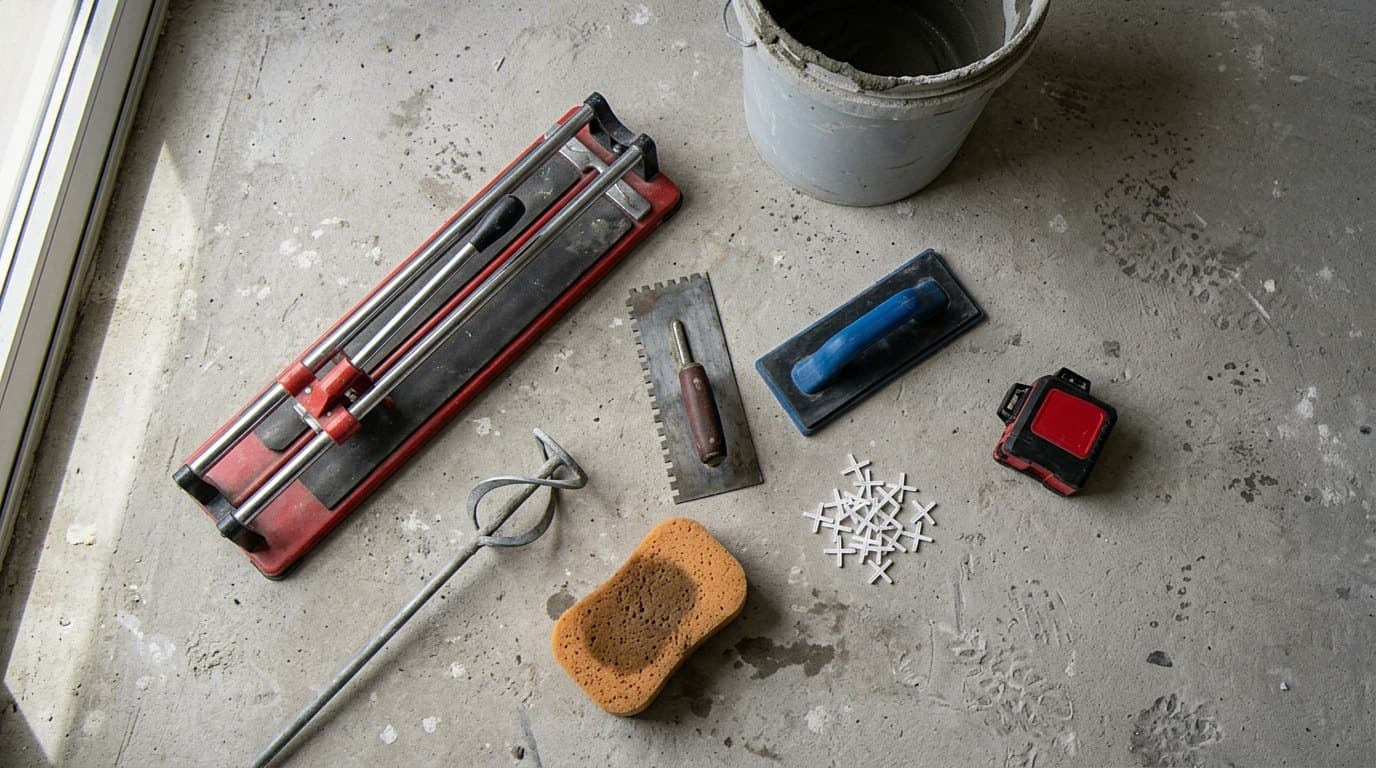
Tile-cutting tools laid out on a concrete floor
FAQ

Tile floor questions we hear in Naperville

Ready when you are

Let's make your next steps easier

Tell us what is going on at your Naperville home and we will walk you through the options. One call or one short form is all it takes.

Call (331) 244-1148Make your inquiry
CallContact us